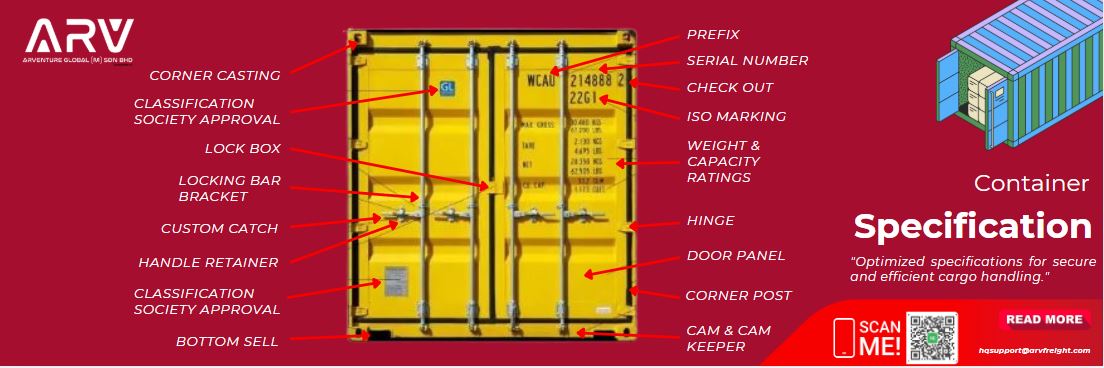
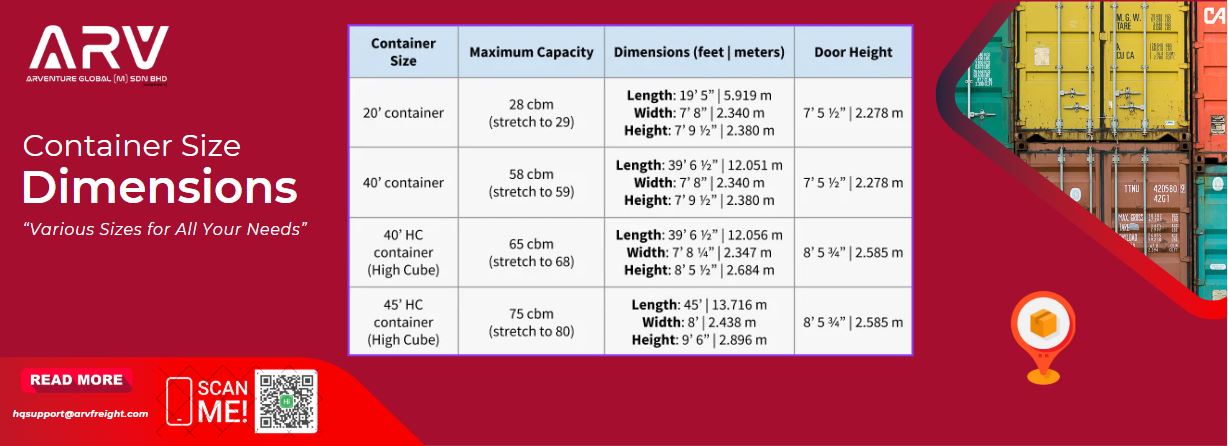
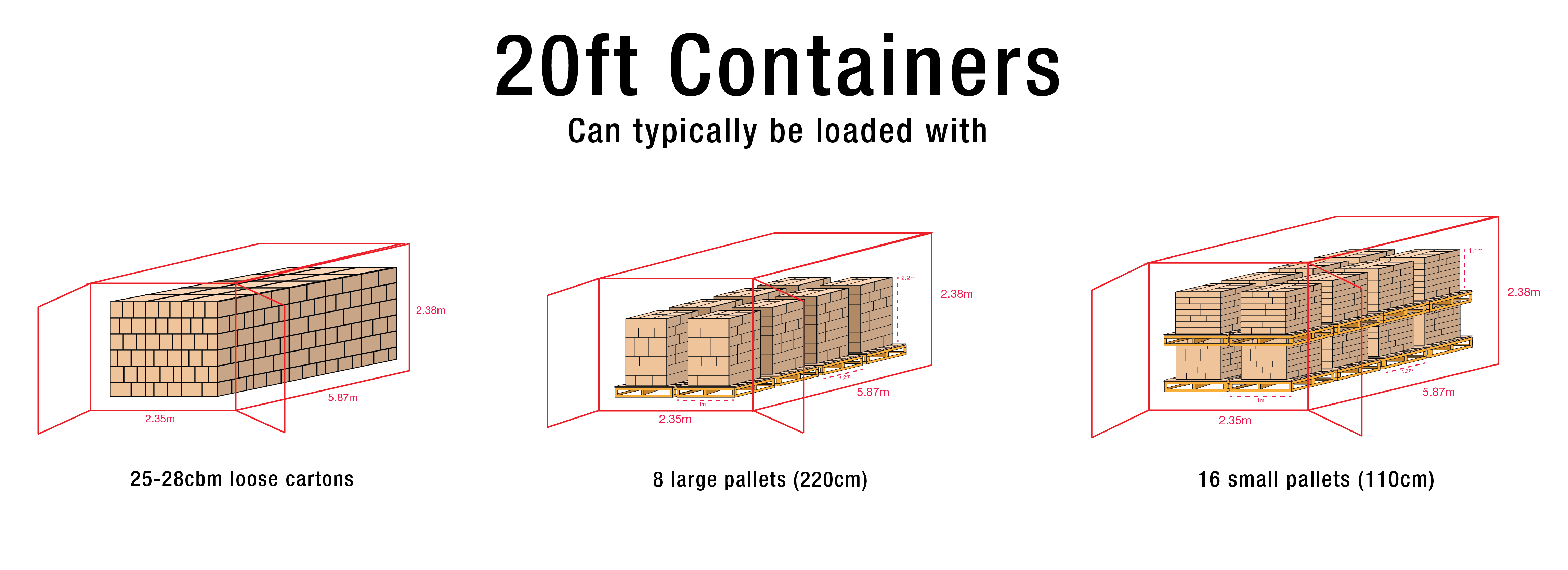
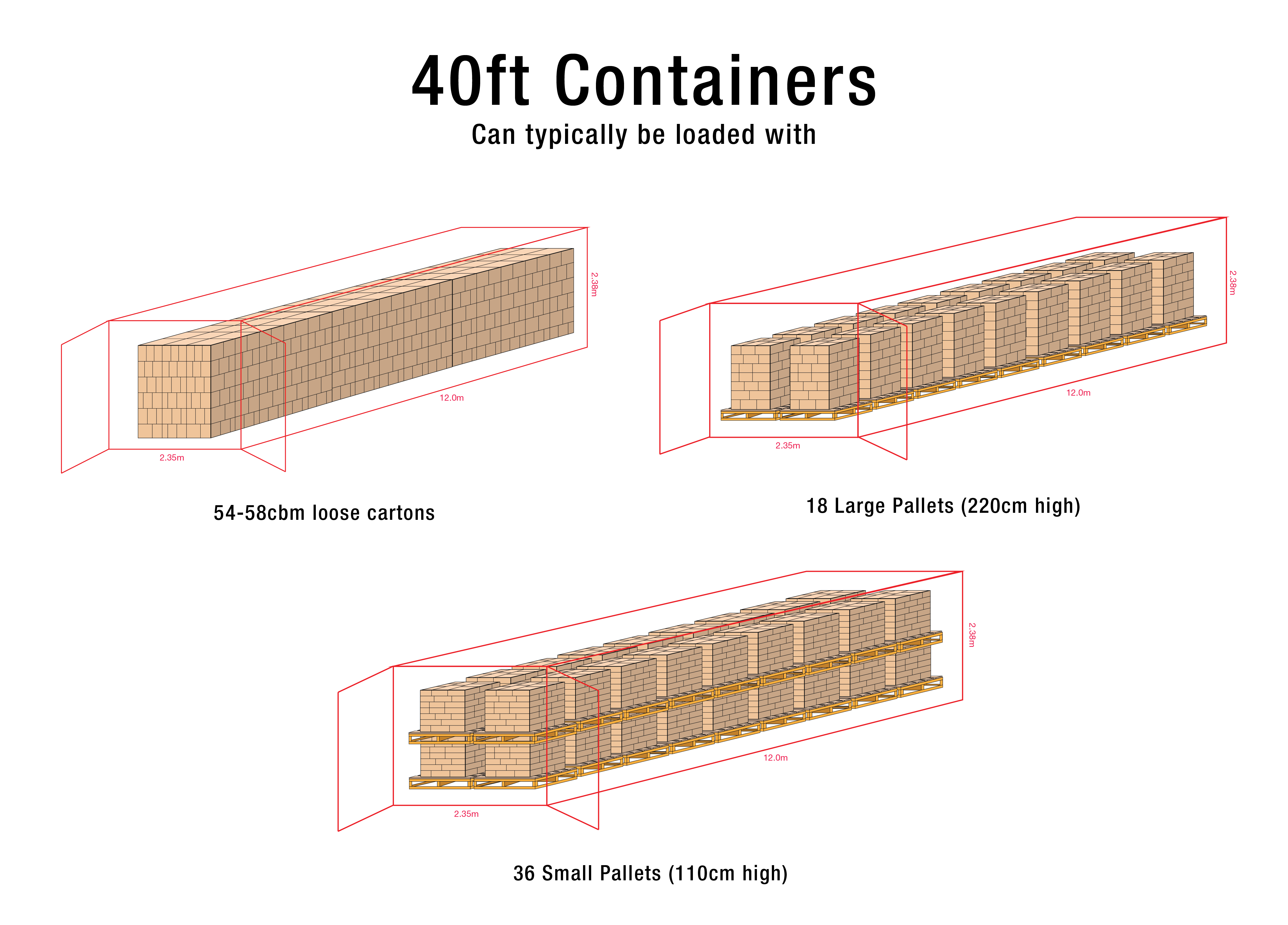
Container Specification

TUE Container

Sizes Container

Size Container

Container Sizes (More)

Size Container 1 Size Container 2
CBM Calculator

Volume (Cubic Meter): 0

Volume (Cubic Feet): 0 ft³

Other Types Of Containers

Now that you’ve determined the right container size, what about the type? The containers mentioned earlier are the standard options, and in most cases, a 20ft, 40ft, or 40ft HC GP container will be sufficient. However, if your cargo has special requirements, there are other container types available. The right choice depends on several factors, including the size of your shipment and the nature of your goods.

Container Image

1. Open Top | The Convertible of Shipping Containers

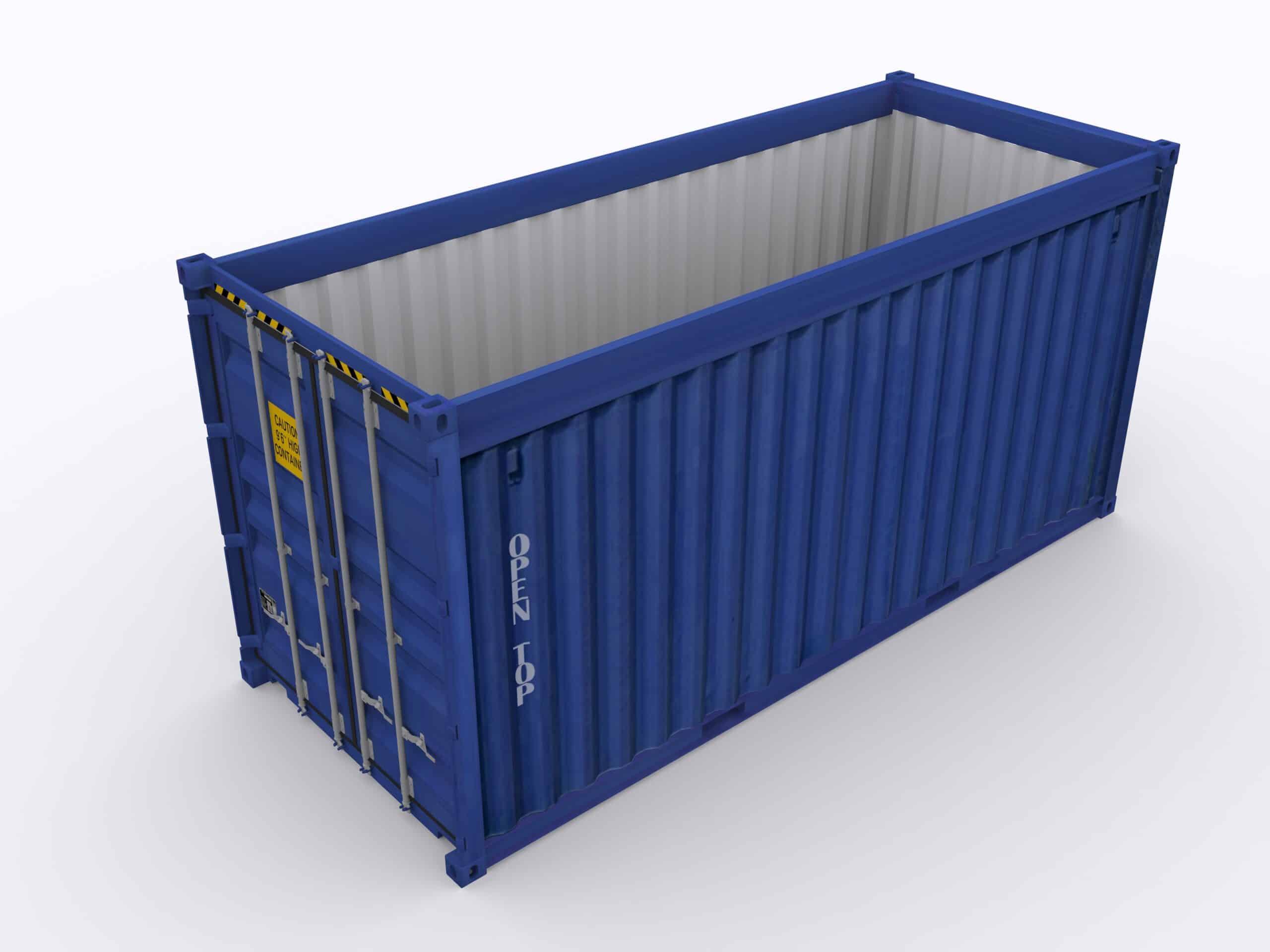
When shipping heavy, bulky or awkward goods, loading by hand or by forklift may be too difficult (or impossible). As the name suggests, these containers open from the top to simplify loading and unloading. These are used for tall goods and have a removable tarpaulin and bows for a roof. Open tops simplify loading and unloading and allow access for a crab or a crane.

Open Top Container

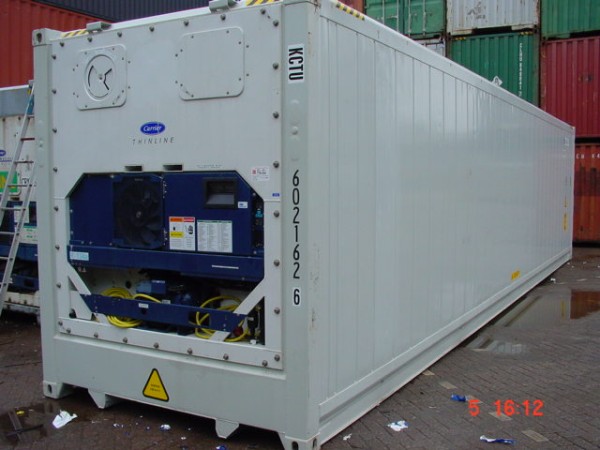
2. Reefer | The Floating Fridge Container

Reefer containers are refrigerated and are generally used for foods such as fruits or anything that needs to be at a constant temperature lower than 15 degrees. These are quite costly, and get more expensive the lower the temperature needed. Reefer containers can be set to temperatures as low as -20 degrees Celsius.

Reefer Container

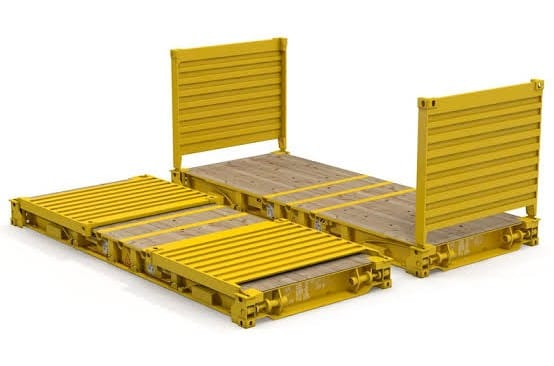
3. Flat Racks | More Dance Floor Than Container

This type of shipping container has no side walls (just end walls) and no roof. They come in various types, both fixed end or collapsible end form. These are generally used for over height or oversized cargo. The goods will be rolled or lifted onto the platform before being strapped down for transit.

Flat Rack Container

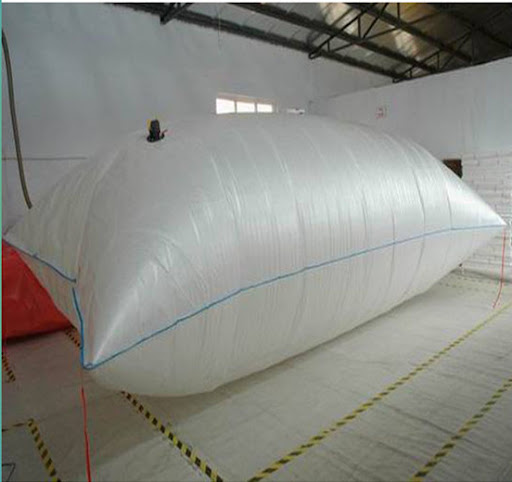
4. Flexi Tank | An Inflatable Within a Container

Think blowing up a balloon in a shoe box while the lid’s on! These containers come loaded with a bag-like flexible tank inside. These are specifically for the shipping of bulk liquid and can carry between 10,000 – 24,000 litres of non-hazardous liquid depending on the container size. This is a growing shipping method, and 700,000 flexi tanks are set to sail in 2015.

Flexi Tank Container
Buying & Rent Container

Buying a Container

  • Full ownership of the container
  • Ability to modify/customize as needed
  • More sizes available
  • Cost-effective for long-term usage
  • High resale value
Click Here for Inquiry

Rent a Container

  • Less responsibility for maintenance
  • Option to upgrade/downgrade when needed
  • Less investment up-front
  • Cost-effective for short-term use
  • Low leasing cost
Click Here for Inquiry

5 Steps to Book a Shipping Container

1

Finalize Cargo & Container Requirements

Ensure you have all details about the cargo and container type you need.

2

Find Ideal Shipping Partner

Search for the best shipping partners based on routes, reputation, and costs.

3

Provide Shipment Information

Share all shipment details including destination, type of goods, etc. Click Here

4

Confirm Freight Booking

Confirm the shipping schedule and freight rates with your chosen partner.

5

Arrange Transportation of Cargo

Organize the transportation to move your cargo to the shipping port.

Types of Malaysian Customs Forms

K1 – Import Declaration

K2 – Export Declaration

K3 – Transit Declaration

K4 – Mode of Transport Change

K5 – Temporary Import / Export

K6 – Bonded Movement

K7 – Free Zone Declaration

K8 – Exempted Items Declaration

K9 – Special Permit

K10 – Controlled Goods Declaration

K11 – Valuation / Inspection

K12 – Duty-Free Goods Declaration

K13 – Disposal / Destruction

K14 – Customs Duty Refund

Info Documentation

Without Customs Clearance

1. You risk demurrage and detention

2. Your cargo can be destroyed

3. You lose invaluable time

Packing List

1. States the products in detail

2. Mentions packing in each shipment

3. Doesn't include any information about prices

Bill of Lading

1. Works as a contract of carriage between shipper and carrier

2. Has details that you'd need to process the freight

3. You need it to process your commercial invoice too

Shipping Bill

1. Filled by the exporter before loading

2. There are different types of shipping bills

3. They assist the exporter in getting customs clearance

Certificate of Origin

1. Certifies the origins of the product

2. Sometimes establishes prestige associated with certain products

3. Important for the government of the importing country

Bill of Entry

1. Often the importer prepares it

2. Issued by customs officials

3. Documents commodities that enter the customhouse